

Stone Town Is Different
Every other stop in this Roadbook is about where the road takes you. Stone Town is about where the road ends. This is the one part of a Zanzibar road trip that isn’t really about driving at all — it’s about parking the car, and letting the city take over from there. Narrow stone streets, carved wooden doors, courtyard houses stacked close together, the smell of spices and grilled seafood drifting from Forodhani in the evening — none of it reveals itself through a windscreen. You have to walk it.
That doesn’t make a car any less useful. It’s still how you get here, and it’s still how you’ll leave — north to the beaches, east to the coast, or further out to explore the island’s interior. Stone Town is simply the one place on this Roadbook where the car’s job is to get you in and out well, not to be part of the experience itself.
Why Stone Town Matters
Stone Town — the old, historic core of Zanzibar City — is a UNESCO World Heritage Site, inscribed in 2000 in recognition of its architecture and its role as a historic Swahili coastal trading town. What makes it worth slowing down for is visible the moment you start walking: centuries of overlapping influence, still standing side by side rather than replacing one another.
- Coral-stone buildings and narrow, shaded streets built for a hot climate long before air conditioning existed
- Elaborately carved wooden doors, many studded with brass, found on houses throughout the old town
- Swahili, Arab, Indian and European architectural details layered across the same buildings and neighbourhoods
- A working waterfront and market that are still part of daily life, not simply preserved for visitors
None of this needs to be rushed. Stone Town rewards unhurried walking far more than it rewards a checklist.
Arriving in Stone Town by Car
Driving into Stone Town itself is different from driving almost anywhere else on this Roadbook. The old town’s streets are narrow, often one-way, and were laid out long before cars existed. Most visitors are far better off parking at the edge of the historic core and continuing on foot, rather than trying to drive deep into it.
- Confirm your arrival point and parking guidance with your accommodation or driver before you set off — this varies by exactly where you’re staying
- Expect to park at the edge of the old town rather than directly outside your final destination
- Keep valuables out of sight and lock the car properly, as you would in any busy town centre
- Give yourself a little extra time on arrival — this is a place to ease into, not rush through
Roadbook Tip: In Stone Town, the closest parking space is not necessarily the best starting point. A short, well-chosen walk in often puts you closer to where you actually want to be than squeezing the car further into the old town.
The Best Way to Explore Stone Town
The short version: drive in, park, and walk. Stone Town’s whole character — the doors, the alleyways, the glimpses into courtyards, the way one street opens onto the waterfront — only comes through at walking pace. This is the one stop on the Roadbook where less driving means more discovery.
A Simple Stone Town Walking Experience
You don’t need a guide or a fixed route to enjoy Stone Town — getting a little lost is part of it. But if you’d like a loose shape for your walk, this is a natural way to experience it. For a more detailed route past specific landmarks, see our Walking Guide to Stone Town.
1. Start With the Streets
Begin by simply walking — no destination in mind. Stone Town’s alleyways are narrow enough that cars can’t follow you, which is exactly what makes them worth exploring on foot. Notice the coral-stone walls, the shade, the way sound changes as you move from a wide street into a narrow one.
2. Look for Zanzibar’s Famous Doors
Zanzibar’s carved wooden doors are one of the old town’s best-known details — no two are quite the same, and many are decades or even centuries old. Keep an eye out as you walk rather than seeking out a specific list; they’re everywhere once you start noticing them.
Travel Etiquette: Many of these doors belong to private homes where people live today, not to attractions. Admire and photograph respectfully from the street, and be mindful before photographing residents directly.
3. Explore the Old Fort Area
The Old Fort (known locally as Ngome Kongwe) sits right on the seafront and is one of Stone Town’s most recognisable landmarks — a good anchor point if you want one, with courtyards and open space that make a natural pause on a walk.
4. Spend Time Around the Waterfront
Stone Town’s waterfront is where the old town meets the sea, with views out toward the harbour and passing dhows. It’s an easy place to slow down, especially later in the afternoon as the light softens.
5. Experience Forodhani
Forodhani Gardens, right along the waterfront, comes alive in the evening as a night food market. It’s a genuinely local Stone Town experience worth timing your walk around. We’re not listing specific stalls or vendors here — ask locally or at your accommodation for current, trusted recommendations, since this changes over time.
6. Visit the Market Area
Darajani Market, the town’s main local market, gives a very different view of Stone Town from its historic streets — busy, practical, and part of everyday life for residents rather than built for visitors. Worth a walk-through even if you’re not buying anything, simply to see another side of the town.
Don’t Try to See Stone Town From the Car
It’s tempting to drive a slow loop and call it seen. It isn’t. Stone Town’s details — the doors, the courtyards, the way the streets narrow and open again — are built at walking scale, not driving scale. The car’s role here is simple: get you to the edge of the old town, wait for you, and be ready for wherever you’re headed next.
How Much Time Should You Give Stone Town?
There’s no single right answer — it depends on how the rest of your trip is shaped.
A few hours — enough for a walk through the main streets, a look at the Old Fort and waterfront, and a sense of the town, if Stone Town is a stop rather than a stay.
A half day — a comfortable amount of time to walk without rushing, pause somewhere along the waterfront, and still continue your drive afterward.
A full day — lets you slow right down, explore streets beyond the main routes, and be in Forodhani for the evening market without watching the clock.
Overnight — the only way to see Stone Town in both daylight and evening light, and to experience Forodhani without needing to drive afterward.
Stone Town on Your Arrival Day
If Stone Town is your first stop in Zanzibar, keep expectations realistic. After a flight, most travellers do better with an easier introduction — a walk, a meal, an early night — than trying to see everything at once. There’s no shortage of time to come back to it later in your trip.
Stone Town Before Your Flight Home
Stone Town also works well as a closing stop, especially since Zanzibar’s airport sits close to the old town. A final walk through the streets, a last Forodhani evening, or simply a relaxed base for your last day can be a good way to end a road trip that started on the beaches.
Where to Drive After Stone Town
Once you’ve explored on foot and you’re back at the car, Stone Town becomes what it is for most of this Roadbook: a starting point. Here’s where the road can take you next.
Option 1: Drive North to Nungwi
Zanzibar’s northern tip trades historic streets for beaches, sunsets and a different pace entirely. Read the full Nungwi by Car guide, or go straight to the Nungwi destination guide.
Option 2: Drive East to Paje
Zanzibar’s east coast has its own character — kitesurfing, ocean views, and a slower coastal rhythm. Read the full Paje by Car guide, or go straight to the Paje destination guide.
Option 3: Explore Spice Country
Zanzibar’s nickname, “Spice Island,” comes from its history growing cloves, nutmeg, cinnamon and other spices, and a number of spice farms around the island offer visits and tours. If a spice experience is part of your plan, arrange it through a reputable, established operator and confirm the details directly with them rather than relying on an unverified recommendation here.
Option 4: Head Toward Jozani and the South
South of Stone Town, the island shifts again — away from beach resorts and toward forest and a quieter, more rural Zanzibar. Start with the Jozani destination guide.
Stone Town to Nungwi or Paje?
Both make a good next stop from Stone Town, and the choice comes down to what kind of coast you want next rather than one being objectively better. Nungwi tends to suit travellers drawn to a lively beach town and sunset views; Paje tends to suit travellers who want a slower pace and easy access to kitesurfing and the wider east coast. If your schedule allows it, a car makes it realistic to see both rather than choosing just one.
A Half-Day Stone Town Plan
A loose shape for a half day, without rigid timestamps — Stone Town works better at your own pace than on a schedule.
Arrive — park at the edge of the old town and take a few minutes to get oriented.
Walk — head into the streets with no fixed destination and let the town set the pace.
Discover — notice the carved doors, courtyards and architecture as you go.
Pause — the Old Fort area is a natural place to stop and take it in.
Waterfront — finish your walk along the water, timing it for the softer late-afternoon light if you can.
Continue — return to the car and carry on with the rest of your Zanzibar journey.
Stone Town for Couples
Stone Town suits a slower, more romantic pace well — narrow streets to wander without a plan, a waterfront worth lingering on, and an evening at Forodhani that works nicely as a shared meal rather than a quick stop.
Stone Town for Families
Families generally do well with a shorter, more flexible visit here rather than a long day of walking. The market and waterfront tend to hold children’s attention better than architecture alone, and it’s worth planning breaks for food and rest along the way.
Stone Town in the Rain
Stone Town’s covered alleyways and narrow streets offer more natural shelter than most outdoor destinations on this Roadbook, which makes it a reasonable option on a wetter day. That said, we can’t make weather guarantees — check current conditions before you set out, and keep your plans flexible either way.
What Car Do You Need for a Stone Town Trip?
Stone Town itself is explored on foot, so the car matters more for the drive there and the leg that follows than for the town itself.
Economy Car
A practical, efficient choice for a solo traveller or couple, especially if Stone Town is one stop within a wider road trip.
SUV
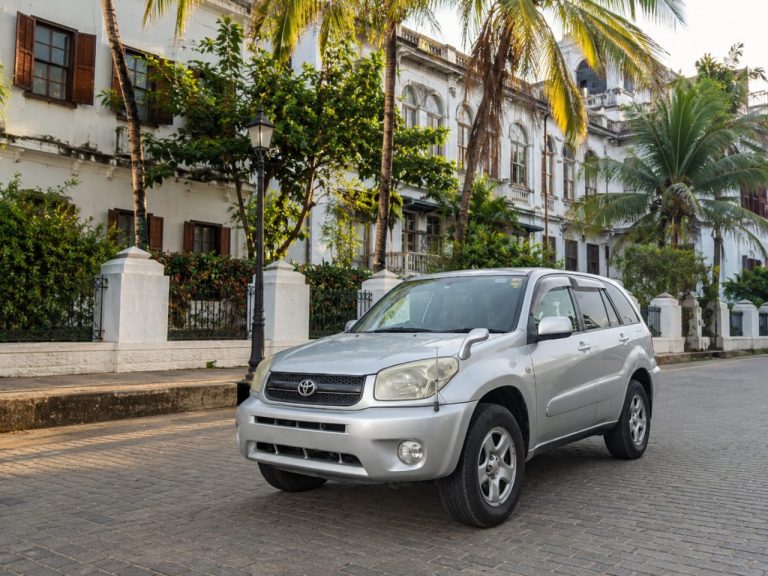
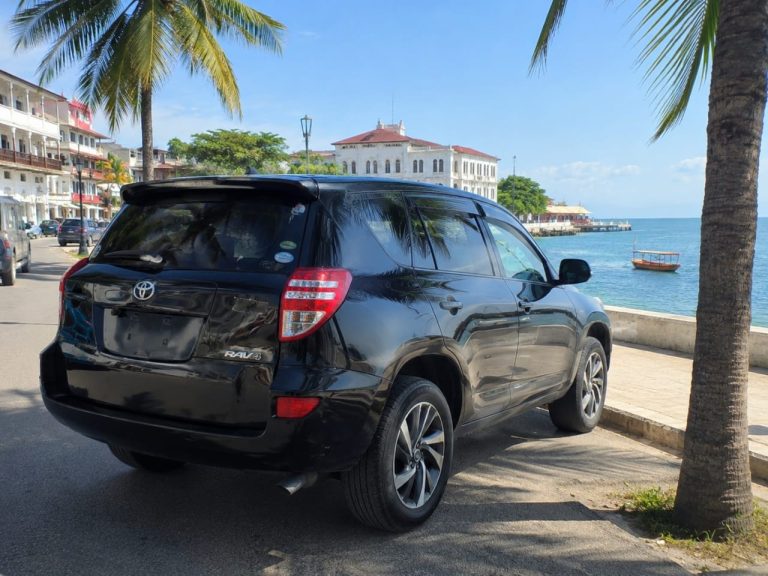
A comfortable option if you’re combining Stone Town with beach destinations or covering longer distances across the island in the same trip.
Family & Group Vehicle
The better fit for larger groups or families, with room for everyone plus luggage as you continue on from Stone Town.
Where Are You Driving Next?
Choose a car for the rest of your Zanzibar journey.

Practical Tips for Visiting Stone Town by Car
Confirm your arrival point. Check with your accommodation or driver where you’ll actually be able to park before you arrive, rather than guessing on the day.
Don’t force the navigation. GPS can struggle with Stone Town’s dense, narrow street layout — be ready to park earlier than expected and finish on foot.
Park responsibly. We don’t publish specific named parking areas or fees here, since these can change — always confirm current, accurate options locally.
Protect your schedule. Stone Town is easy to underestimate. Give yourself more time than you think you need, especially if you’re continuing to drive afterward.
Keep your car secure. Lock up properly and don’t leave valuables visible, as you would in any town centre.
Continue Exploring the Zanzibar Roadbook
Walking Route — for a more detailed route past Stone Town’s landmarks, see our Walking Guide to Stone Town.
Nungwi — trade historic streets for Zanzibar’s northern beaches and sunsets. Read the Nungwi by Car guide.
Paje — continue to the east coast for kitesurfing and a slower coastal pace. Read the Paje by Car guide.
The Road Itself — see how Stone Town connects to the rest of the island in A Zanzibar Road Trip: Stone Town to the North Coast.
Driving in Zanzibar — for the general essentials of the road, fuel and conditions, see our complete driving guide.
Frequently Asked Questions
Can you drive inside Stone Town?
You can drive to the edge of the historic core, but the old town’s narrow, often one-way streets mean most visitors park nearby and explore on foot rather than driving deep inside.
Do I need a car to explore Stone Town?
Not for the old town itself — that’s a walking experience. A car is most useful for getting to and from Stone Town, and for continuing your trip afterward.
Where should I park?
This depends on exactly where you’re staying or headed, and can change over time, so we don’t publish specific named parking areas or prices here. Confirm current guidance with your accommodation or driver when you arrive.
How long should I spend in Stone Town?
Anywhere from a few hours to a full day or overnight, depending on your trip. See “How Much Time Should You Give Stone Town?” above for a fuller breakdown.
Is it worth visiting if I’m staying in Nungwi or Paje?
Yes — many travellers base themselves on the coast and visit Stone Town as a day trip, or split their stay between a beach destination and a night or two in town.
Should I visit Stone Town at the beginning or end of my trip?
Both work well. Some travellers prefer an easier beach-first start and a historic close; others prefer the opposite. See “Stone Town on Your Arrival Day” and “Stone Town Before Your Flight Home” above for more on each approach.
Continue Exploring

Nungwi by Car: The Complete Guide to Exploring North Zanzibar
Beaches, sunsets and the freedom to discover more of Zanzibar's north at your own pace.

Paje by Car: Your Base for Exploring Zanzibar’s East Coast
Stay by the ocean. Keep the freedom to discover everything around it.
Jozani & South Zanzibar by Car: A Nature and Village Road Trip
Leave the beach for a while and discover a greener, quieter side of Zanzibar.